
Welcome to Gabbii Rose Musical Theatre Tuition!
Welcome to Gabbii Rose Musical Theatre Tuition!
Musical Theatre — with a difference ✨
G.R.M.T. Tuition isn’t just your usual musical theatre after-school club!
At G.R.M.T. Tuition, our values come first.
We believe every young person deserves the chance to do what makes them happy — and to do it in a space where they feel safe, supported, and confident.
Our sessions are designed to help students grow not only as performers, but as people, developing self-belief, creativity, and valuable transferable skills they’ll carry far beyond the rehearsal room.
What makes G.R.M.T. different?
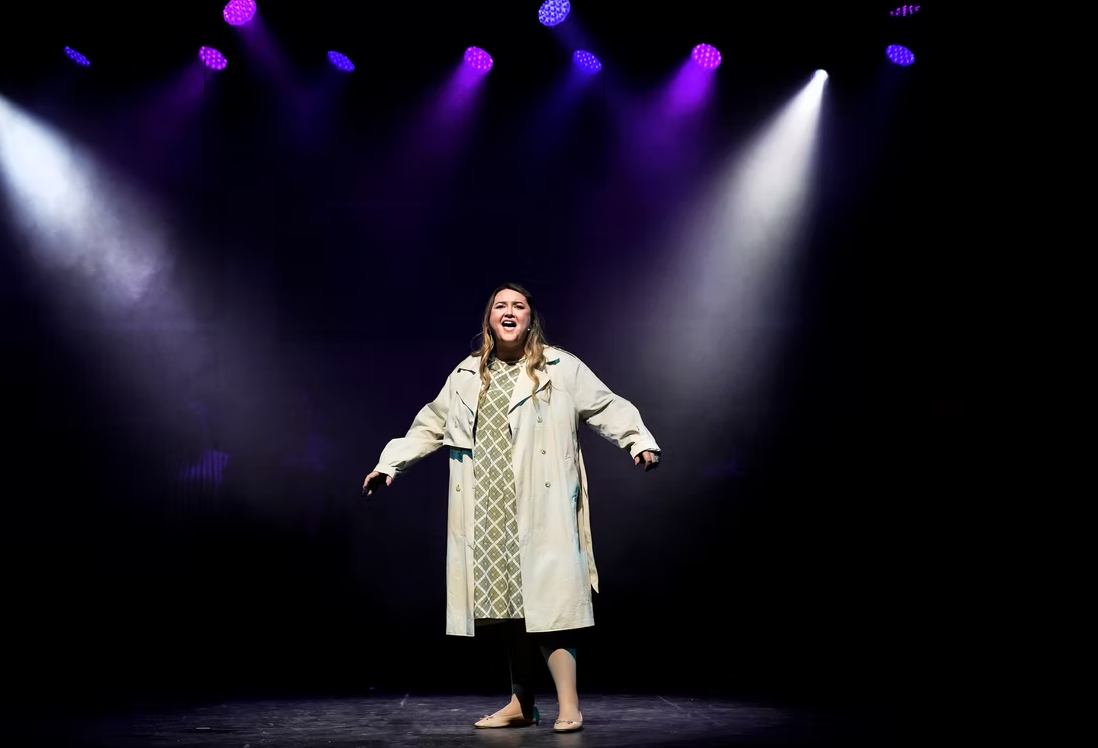
We specialise in Musical Theatre with a focus on acting through song.
That means we help young actors and singers build powerful performance skills without dance. If your child loves musical theatre but doesn’t feel drawn to choreography, this is the club they’ve been waiting for.

Expert-led by industry experience
G.R.M.T. Tuition is led by Gabbii, who brings:
Over 20 years of professional and amateur theatre experience
More than 10 years of teaching experience
BA Hons in Musical Theatre
A PGCE in Secondary Drama
Experience as a previous Course Leader in Musical Theatre
Expertise in audition preparation to a professional and university standard
Gabbii has supported students who have gone on to drama schools and top universities, combining industry insight with strong educational practice to nurture both talent and confidence.

Skills, confidence & recognised qualifications
Our classes work towards building skills that can prepare you for LAMDA Musical Theatre exams, offering students the opportunity to gain nationally recognised qualifications alongside their mainstream studies.
For older students (Grades 6–8), these exams can even earn UCAS points, supporting future pathways into A-Levels, BTECs, and equivalent courses.
Extra Information
Small groups, big support
We keep classes intentionally small — with a maximum of 12 students per group — to ensure everyone receives focused guidance and encouragement. Groups are organised by grade level rather than age, for example:
Years 7–8 → Grade 4
Year 9 → Grade 5
Years 10–11 → Grade 6
Year 12 → Grade 8
This allows students aged 11–17 to train at the right level for their experience and development.
We also offer 1-to-1 online sessions separately, which can be especially beneficial when preparing for exams.
Why parents and students love G.R.M.T. Tuition
✔ Confidence-building
✔ Creative expression
✔ Supportive environment
✔ Transferable life skills
✔ Recognised qualifications
✔ And most importantly… having fun
We’d love for you to join us on this exciting journey with G.R.M.T. Tuition — a new, innovative musical theatre club where every student is encouraged to shine.
All policies and further information about LAMDA can be found below.
If you have any questions about the club or exams, please don’t hesitate to get in touch — we’re always happy to help 🎭
Why Take A LAMDA Examination?
LAMDA examinations are recognised by Ofqual and very well regarded in schools, colleges and universities.
LAMDA examinations can collect UCAS points for the student at higher levels.
Study your favourite performing art at a more detailed level and gain a recognised level in it.
The next step for those wishing to work professionally in The Arts.
Improve speech and performance skills.
Build confidence and social skills.
Work with a dedicated and experienced LAMDA tutor.
LAMDA examinations aim to reward individuals for their endeavour and empower them with increased self-confidence.
We find that the benefits filter into all aspects of school and home life and can make a huge difference to individuals.
LAMDA Booklets Available Here

This resource is a comprehensive guide for learners preparing for the LAMDA Grade 8 Solo or Duo Musical Theatre examination. It supports students in developing high-level performance skills through song and spoken dialogue, while deepening their understanding of character, context, and musical theatre history.
The booklet outlines the full exam structure and requirements, including performance expectations, accompaniment rules, use of space, costume and props. It provides detailed guidance on selecting appropriate songs from contrasting musical theatre eras (pre-1960, 1960–1990, and post-1990), with curated musical and song suggestions across vocal types.
A substantial knowledge section supports learners in researching and discussing the influence of a key musical theatre practitioner, offering structured research guidance, key questions, and evaluation prompts aligned with LAMDA assessment criteria. The resource also includes clear advice on devising or selecting spoken dialogue that integrates seamlessly with song performance.
Designed for independent study and teacher-led preparation, this booklet encourages reflective practice, informed artistic choices, and confident exam performance at an advanced level.

The LAMDA Musical Theatre Grade 4 Downloadable Booklet is a guided preparation resource for learners taking the Level 2 (Grades 4–5) Solo or Duo Musical Theatre examination. It explains the structure of the exam, outlines performance and knowledge requirements, and provides clear, age-appropriate guidance to help students prepare confidently and independently.
The resource is organised into clear sections:
Exam overview – introduces the purpose of the Musical Theatre exams, exam timings, performance format, and regulations around accompaniment, costume, props, and use of performance space.
Knowledge section – prepares learners to answer examiner questions on:
Character feelings and reactions
How spoken dialogue was chosen or devised
The plot of the musical and the character’s journey
Working stage areas and basic stage geography
Song selection guidance – explains how to choose two contrasting sung songs and one spoken song from published musicals or film musicals, encouraging variety in character, mood, and style. It includes advice on turning song lyrics into effective spoken monologues.
Repertoire suggestions – provides extensive lists of suitable musicals and song examples, organised by era and vocal type, to support appropriate and engaging choices.
Spoken dialogue guidance – offers step-by-step advice on creating or selecting short spoken dialogue to introduce songs, helping learners understand character motivation and emotional context.
Checklists and notes pages – support revision, rehearsal planning, and exam readiness.
Overall, the booklet functions as a practical workbook and revision guide, helping Grade 4 learners develop confidence in combining acting and singing, understand basic musical theatre knowledge, and meet LAMDA’s assessment criteria clearly and effectively.

The LAMDA Musical Theatre Grade 5 Downloadable Booklet is a structured exam-preparation resource for learners taking the Level 2 Grade 5 Solo or Duo Musical Theatre examination. It builds on Grade 4 skills by encouraging greater independence, clearer artistic choices, and more confident use of musical theatre terminology, while still providing clear, supportive guidance.
The resource is organised into the following key areas:
Exam overview – explains the purpose of the exam, performance format, timings, and regulations, including guidance on accompaniment, costume, props, and effective use of the performance space.
* Knowledge section – prepares learners to answer examiner questions on:
* Character feelings and reactions
* How spoken dialogue was selected or devised
* Key themes and plot of the musical
* Reasons for chosen staging, using correct stage-area terminology
* Core technical musical theatre terms (such as tempo, crescendo, harmony, unison, and overture)
Song selection guidance – outlines how to choose two contrasting sung songs and one spoken song from published musicals or film musicals, encouraging variety in character, mood, and interpretation.
Spoken song guidance – supports learners in performing song lyrics as a spoken dramatic monologue or duologue, focusing on storytelling, clarity, and believable delivery without melody.
Repertoire suggestions – offers extensive lists of suitable musicals and song examples, organised by era and vocal type, to help learners select appropriate and engaging material.
Spoken dialogue guidance – provides step-by-step advice on creating or selecting short spoken dialogue to introduce songs, helping learners establish character motivation, emotional context, and a clear transition into singing.
Checklists and notes pages – support rehearsal planning, revision of knowledge questions, and overall exam readiness.
Overall, the Grade 5 booklet acts as a practical workbook and revision guide, supporting learners in developing stronger characterisation, clearer staging choices, and a deeper understanding of how acting, singing, and storytelling work together in musical theatre performance.
The LAMDA Musical Theatre Grade 6 (Bronze Medal) Booklet is a structured exam preparation guide designed to support learners taking solo or duo Musical Theatre exams at Level 3. It explains what the exam involves, how to prepare, and what examiners are assessing, combining practical performance guidance with required theoretical knowledge.
The booklet is divided into key sections:
Exam overview – outlines exam format, timings, performance requirements, and regulations (including accompaniment, costume, props, and use of space).
Knowledge section – helps learners prepare to answer examiner questions on:
Musical theatre genres
Character objectives and roles within the musical
Breathing techniques for singing (with clear explanations of diaphragmatic vs. clavicular breathing)
Song selection guidance – explains how to choose appropriate songs from different time periods and genres, with extensive example lists organised by era and vocal type.
Spoken dialogue guidance – gives detailed advice on using published or devised dialogue to lead into songs, explaining how dialogue should establish character, situation, and emotional need, and naturally motivate the song.
Checklists and notes pages – support independent revision, rehearsal planning, and exam readiness.
Overall, the resource acts as both a revision workbook and performance guide, helping learners understand why they sing, how to prepare dialogue, and how to meet LAMDA’s assessment criteria with confidence and clarity.
Click on the below policies to view
Certified for G.R.M.T. Tuition DSL: Gabriella Gisby (Gabbii Rose)
All staff are DBS checked.
NSPCC Whistleblowing: https://www.nspcc.org.uk/keeping-children-safe/reporting-abuse/dedicated-helplines/whistleblowing-advice-line/